Beyond the buzz: Four strategic takeaways from AdWeek New York 2025.

Nicole Lawniczak
VP, Strategy
Every year, thousands of marketers descend upon New York City for Advertising Week to soak up a year’s worth of learnings and catch a glimpse of the future. My expectations were high, although I’ll admit I did anticipate feeling overwhelmed (and to be honest, a bit annoyed) at the AI-ification of literally everything. And of course, AI was a part of the conversation, but it wasn’t the entire conversation (see my first theme below), which was both reassuring and really, really inspiring.
As a strategist, I’m constantly looking for the throughline between all of the panel discussions, presentations, and case studies that were shared. After four days of sessions, networking, and a fair share of New York City coffee, I’ve distilled my time at AdWeek NYC 2025 into four key themes that will shape our work at Crowley Webb in the coming year.
1. AI: From “shiny object” to strategy multiplier.
Last year, AI was the mysterious guest everyone wanted to talk to. This year, it was the coworker who finally got a desk. The conversation has shifted from “Will AI replace us?” to “How does AI re-engineer the way we work?”
The consensus is clear: AI isn’t magic; it’s a multiplier. There’s been an underlying fear that AI is going to do all the “creating” in the near future.
But the big narrative, and one we’ve been leaning into at CW is that AI is the fuel, not the fire.
The brands that win in 2026 won’t just use AI to generate more content; they’ll use it to unlock deeper consumer insights and provide real-time personalization that actually feels, well, personal.
2. Cultural citizenship > viral hit.
We’ve all been there – chasing a viral moment that feels great for 24 hours but does nothing for the bottom line. One of my favorite takeaways from the week was the idea that “going viral” is overrated.
The industry is pushing back against vanity metrics in favor of “cultural citizenship.” This isn’t just a vibe, it’s changing how we measure success. We’re seeing a shift toward holistic measurement that values long-term equity over last-touch attribution.
Brands like BYOMA, who is committed to responding to every DM they receive (upward of 50K a month!), and SharkNinja, who approaches each new product launch by starting with the story they want to tell, not just the product features and benefits, are seeing massive returns on this approach in terms of consumer love.
3. The power of real connection.
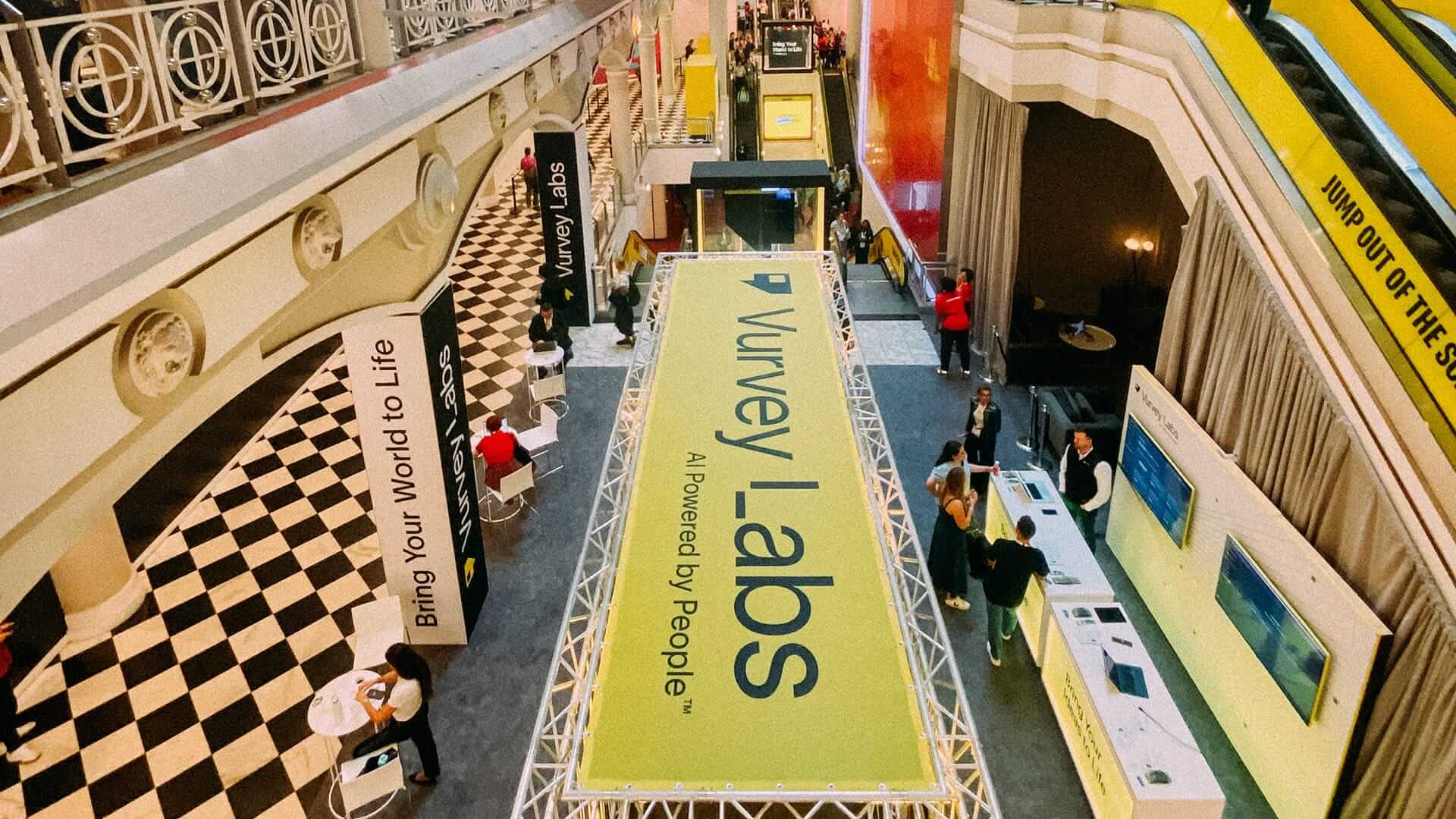
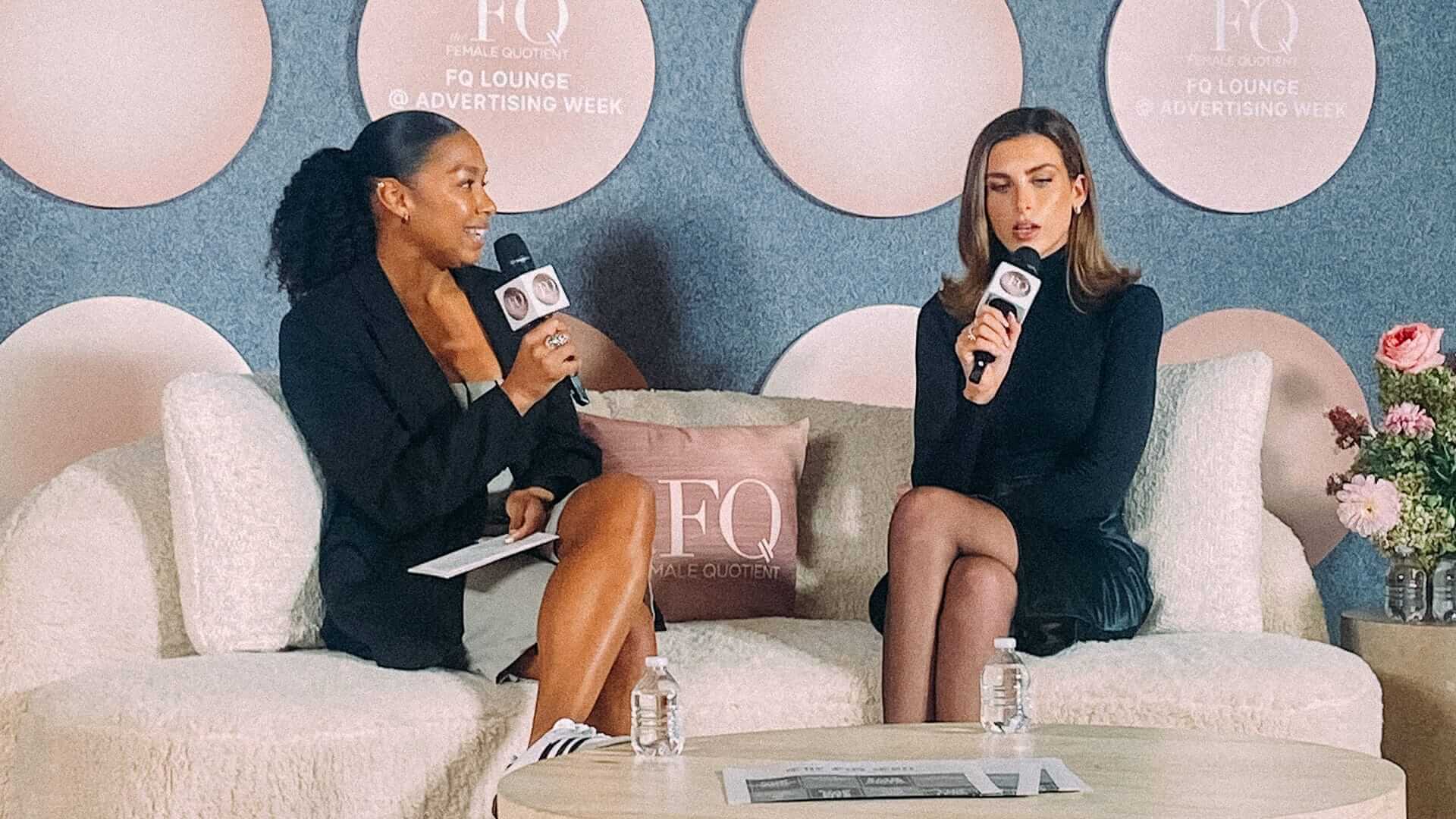
In an era of digital fatigue, brands are finding success by stepping out of the screen and into the real world. From the immersive “Dear, New York” installation from Humans of New York that we had the chance to experience to Brianna LaPaglia and Josh Richards underscoring how much Gen Z wants real-world experiences over purely digital ones, the most successful brands are those that treat themselves as part of their consumers’ lived experiences.
For us at Crowley Webb, this reinforces our commitment to brand activations over the past few years. It’s about building brands that make people feel seen, involved, excited, and inspired. Whether it’s through a strategic influencer partnership or a hyper-local activation, the goal is to earn a place in the consumer’s life, not just their feed.
4. Entering an era of bravery.
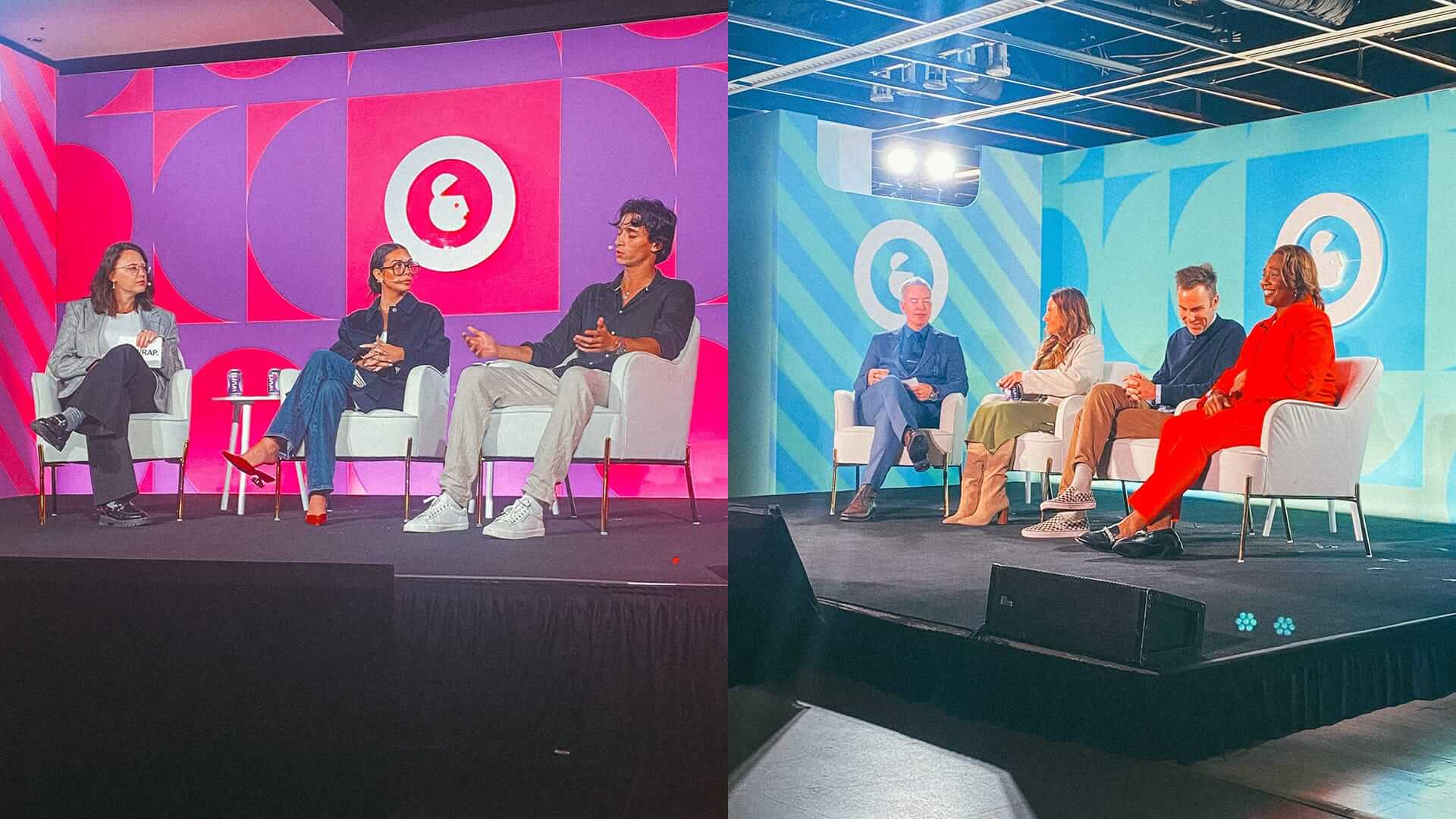
If there was one big takeaway that stuck with me when the week was through, it was this: The brands who will succeed in 2026 will be those willing to lean into bravery, especially in Q1. What’s so special about Q1? Well, it’s often seen as a “quiet” period, but it’s actually the ultimate laboratory. It’s the best time to pressure-test those “what if” scenarios before the high-stakes pressure of Q3 and Q4 kicks in.
Whether that’s exploring new use cases for AI in your marketing model, experimenting with a real-time social media strategy (brands like Shipt, Estée Lauder, and even MassMutual are taking big leaps here, even dedicating budget and resources for those “real-time” opportunities that they know will inevitably arise), or maybe even showing a grown man in his underwear on TV (I’m looking at you, Men’s Wearhouse), taking calculated risks could pay off with huge dividends. And if not, they’ll pay off in learnings that can guide your strategic adjustments throughout the year.
As we look toward 2026, our focus shouldn’t just be on the annual plan we’ve already locked in, but also leave some space for the “what if” scenarios that allow us to stay ahead of the curve.
Final thoughts.
AdWeek New York 2025 was a reminder that while the tools of our trade are evolving at breakneck speed, the fundamentals remain the same. We need to know our customers, earn their trust, and show up with genuine value.
The “blueprint” for the future isn’t a piece of software – it’s a mindset of agility, curiosity, and a relentless focus on the human on the other side of the screen.